Cambria Second Homes And Coastal Home Care
May 14, 2026
May 14, 2026
Dreaming about a place in Cambria where you can slip away for foggy mornings, ocean air, and quiet weekends? That dream is real, but owning a second home here usually means more than locking the door and heading back to your primary residence. In Cambria, coastal conditions, drainage patterns, wildfire exposure, bluff risks, and water limits all shape what smart ownership looks like. If you are thinking about buying a second home in this part of San Luis Obispo County, this guide will help you plan with open eyes and more confidence. Let’s dive in.
Cambria has long been a second-home destination, and the housing data helps explain why. The area has a high owner-occupied rate of 78.1%, and the median value for owner-occupied homes is $930,200, according to the U.S. Census Bureau. In a market like this, buyers are often choosing a lifestyle purchase as much as a real estate purchase.
County planning documents also describe Cambria as a community shaped by small lots, single-family detached homes, and a long vacation-home tradition. San Luis Obispo County previously reported that about 21% of homes were occupied seasonally in the 2000 census. That history matters because it shows second-home ownership is not unusual here, but it also comes with local realities that deserve careful planning.
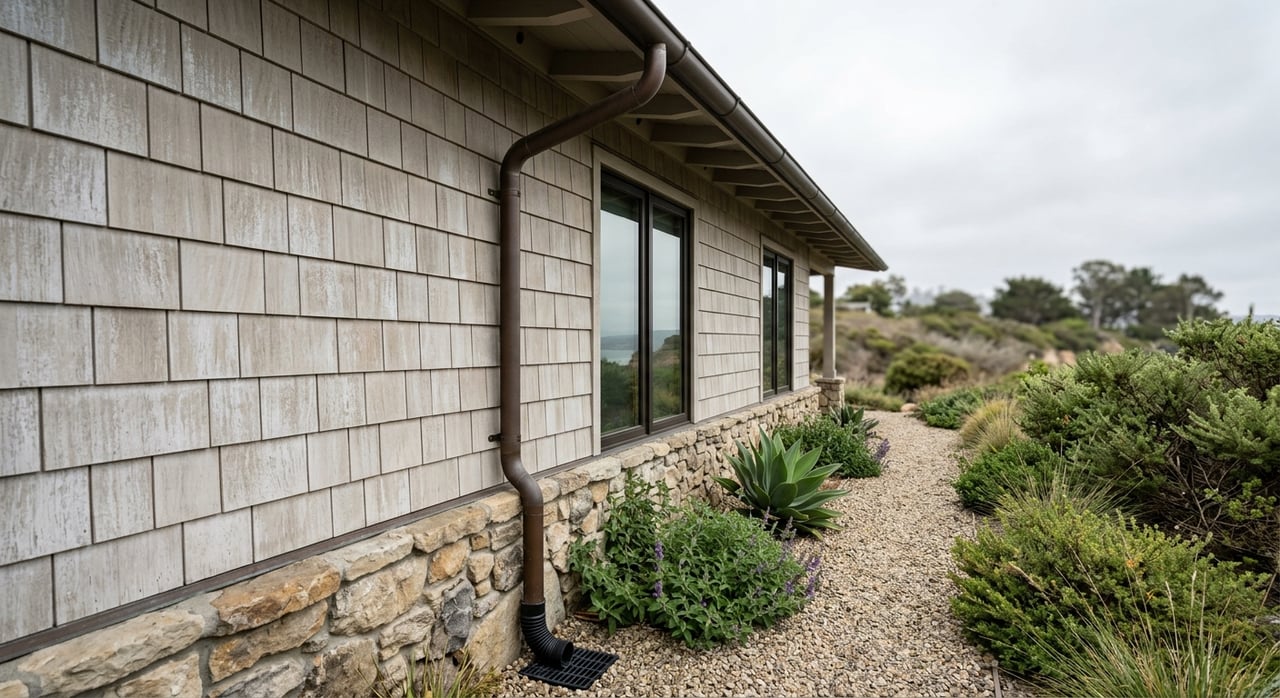
A Cambria second home is rarely a set-it-and-forget-it property. The local climate brings dense morning fog in warmer months, followed by afternoon sunshine, and the area averages about 17 inches of annual precipitation. That mix of moisture, sun, and salt air can wear on exterior materials over time.
Cambria also includes steep foothills and drainage systems that are not fully continuous in every area. County drainage reports note erosion along road shoulders and runoff issues in some locations. For you as an owner, that means regular inspections and preventive maintenance are not optional extras. They are part of protecting your investment.
Moisture problems do not always announce themselves right away. A small roof issue, clogged gutter, or minor exterior crack can turn into a bigger repair if the home sits vacant between visits. That is one reason second-home owners in Cambria benefit from a routine care plan instead of a reactive approach.
A practical maintenance routine often includes:
In Cambria, home care is not just about the house. It is also about how water moves across the property, how slopes are managed, and whether runoff is being directed away from the structure. A home that looks picture-perfect on a sunny day may still need drainage improvements or closer review after heavy weather.
Buying a second home in Cambria means looking beyond finishes, views, and floor plans. You also want to understand how the property performs in a coastal environment. A careful review upfront can save you time, money, and stress later.
CAL FIRE says wildfire safety depends on both home hardening and defensible space. Home hardening focuses on ignition-resistant materials and maintenance practices that help reduce the chance of ignition from embers, radiant heat, and direct flame contact. CAL FIRE also emphasizes maintaining 100 feet of defensible space around a home.
For a second-home buyer, that raises practical questions. Is the roof in good condition? Are vents designed to reduce ember entry? Does the lot allow for ongoing vegetation management? If the home will sit empty at times, wildfire readiness becomes even more important because small maintenance lapses can add up quickly.
Some of Cambria’s most appealing homes are near the coast, but bluff-side appeal should come with a serious hazard review. San Luis Obispo County documents describe parts of the shoreline as narrow beaches backed by low cliffs exposed to moderate to heavy wave action. In some developed areas, the county has documented seacliff retreat of about 2 to 3 inches per year.
The county’s safety planning also notes that bluff-top homes with minimal setbacks remain highly vulnerable, with storm damage recorded during the 2022 to 2023 seasons. If you are considering a bluff-edge or near-bluff property, it is wise to review setback conditions, site history, and whether future work may face Coastal Act policy constraints. Ocean views are powerful, but so is due diligence.
Flooding and erosion concerns also belong on your checklist. County drainage materials identify Cambria as an area with historical flooding and erosion issues. In a town with uneven terrain and incomplete drainage continuity in some places, lot-specific conditions can make a big difference.
Ask practical questions during your review, such as:
It is easy to focus on the purchase price and lose sight of ownership costs. In Cambria, second-home budgeting should include insurance planning, maintenance reserves, and utility-related due diligence. A realistic budget can make ownership feel much more manageable.
The Census Bureau reports median monthly owner costs of $2,905 for homes with a mortgage in Cambria. That number is useful context, but many second-home owners may also face additional costs tied to coastal wear, hazard mitigation, insurance structure, and periodic property oversight.
California’s Department of Insurance says the FAIR Plan is the insurer of last resort. It covers fire, lightning, internal explosion, and smoke. The department also notes that FAIR Plan coverage does not include all the protections of a traditional homeowners policy, which is why it recommends a separate Differences in Conditions policy for broader protection.
That matters in Cambria because hazard exposure can shape coverage choices and availability. It also helps to remember that flood insurance is separate from standard homeowners coverage. Since county drainage documents flag flooding and erosion concerns in Cambria, you will want to ask detailed insurance questions early instead of waiting until the end of escrow.
A second home in a coastal setting usually needs a reserve for routine work and surprise repairs. Even if the property is in great shape, you may still need periodic gutter cleaning, roof review, exterior sealing, vegetation management, and drainage corrections. This is especially true if the home is vacant for stretches of time.
Rather than asking whether you can afford the home, a better question is whether you can comfortably support the home over time. That mindset often leads to better buying decisions.
Water is a major part of buying in Cambria. Cambria Community Services District currently forecasts a 1% shortage for the 2025 to 2026 reporting period. The district also states that it is not issuing any new residential or commercial water or wastewater connections at this time.
For buyers, that makes water status and meter status important parts of due diligence. If you are thinking about expansion, major changes, or future development potential, you need to verify what is actually possible before you make assumptions. This is especially important for buyers considering lots, older homes, or properties with improvement plans.
CCSD shortage rules have at times limited irrigation to one day per week, with narrow exceptions for fire-protection and erosion-control landscaping. In practical terms, that means you should not assume a traditional lawn or high-water landscape will be easy to maintain.
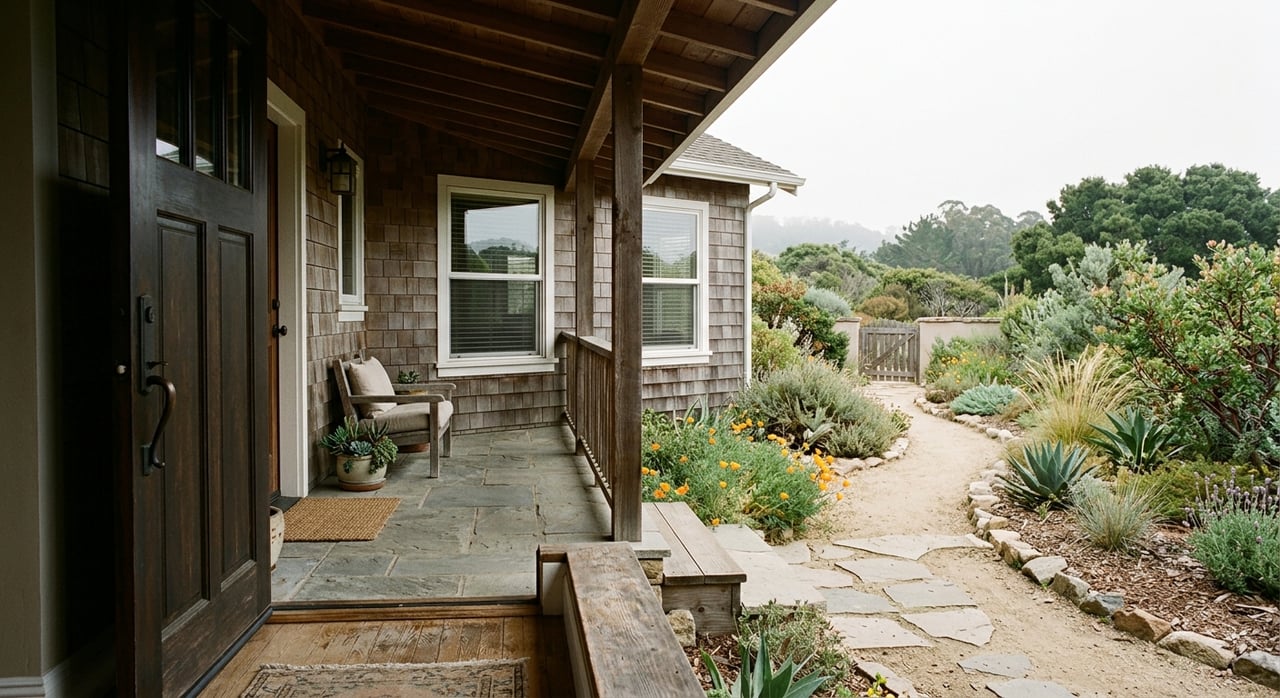
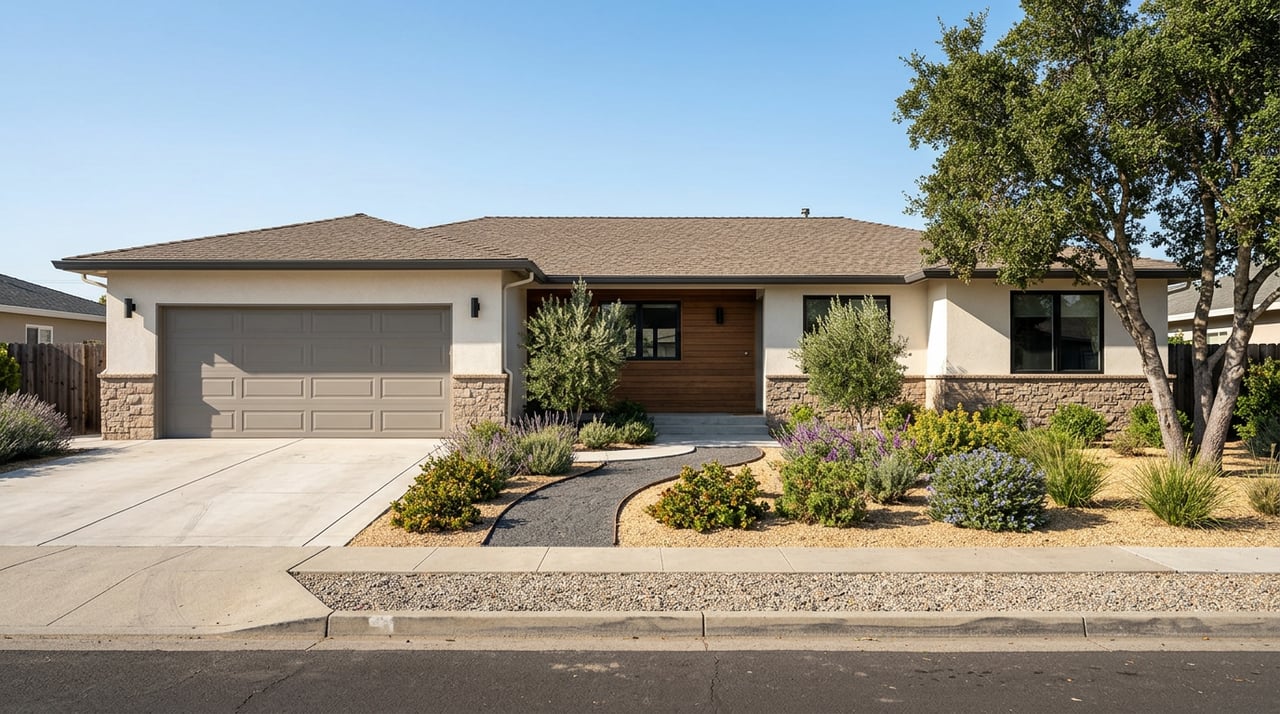
For many second-home owners, low-water and low-maintenance landscaping is the more practical fit. It can also better support erosion control and reduce the amount of hands-on care needed between visits.
A good Cambria second home is not always the one with the most dramatic first impression. Often, it is the one that matches your ownership style. If you will only be in town part-time, you may be better served by a property with straightforward drainage, manageable vegetation, solid exterior condition, and realistic maintenance demands.
This is where local knowledge really matters. A home that looks simple on paper may come with site, permitting, or utility details that are easy to miss if you are buying from out of area. On the other hand, a well-chosen property with the right upkeep plan can give you the coastal escape you want without constant surprises.
Because Cambria ownership involves more than basic housekeeping, local support can make a big difference. The most helpful vendor relationships are often with professionals who already understand coastal moisture, wildfire hardening, drainage concerns, and local service procedures. Cambria Community Services District also plays an important role because it provides water, wastewater, fire protection, and emergency services.
For some projects that use CCSD services, county permitting may require a Will Serve letter and Fire Plan Review. That means your planning process may involve more than a simple contractor bid. If you are buying with future improvements in mind, it helps to work with professionals who understand how these local pieces fit together.
Cambria can be a wonderful second-home market, but it rewards buyers who plan for the realities of coastal ownership. The right purchase is not just about charm, views, or proximity to the shoreline. It is also about moisture management, hazard awareness, water limitations, insurance planning, and ongoing care.
If you go in prepared, you can make clearer decisions and avoid expensive assumptions. And if you want local guidance, it helps to work with someone who understands both the appeal of Cambria and the practical details that come with owning here. If you are exploring second-home opportunities on the Central Coast, Steve Auslender can help you evaluate properties with local insight and a practical eye.
Stay up to date on the latest real estate trends.
We pride ourselves in providing personalized solutions that bring our clients closer to their dream properties and enhance their long-term wealth.