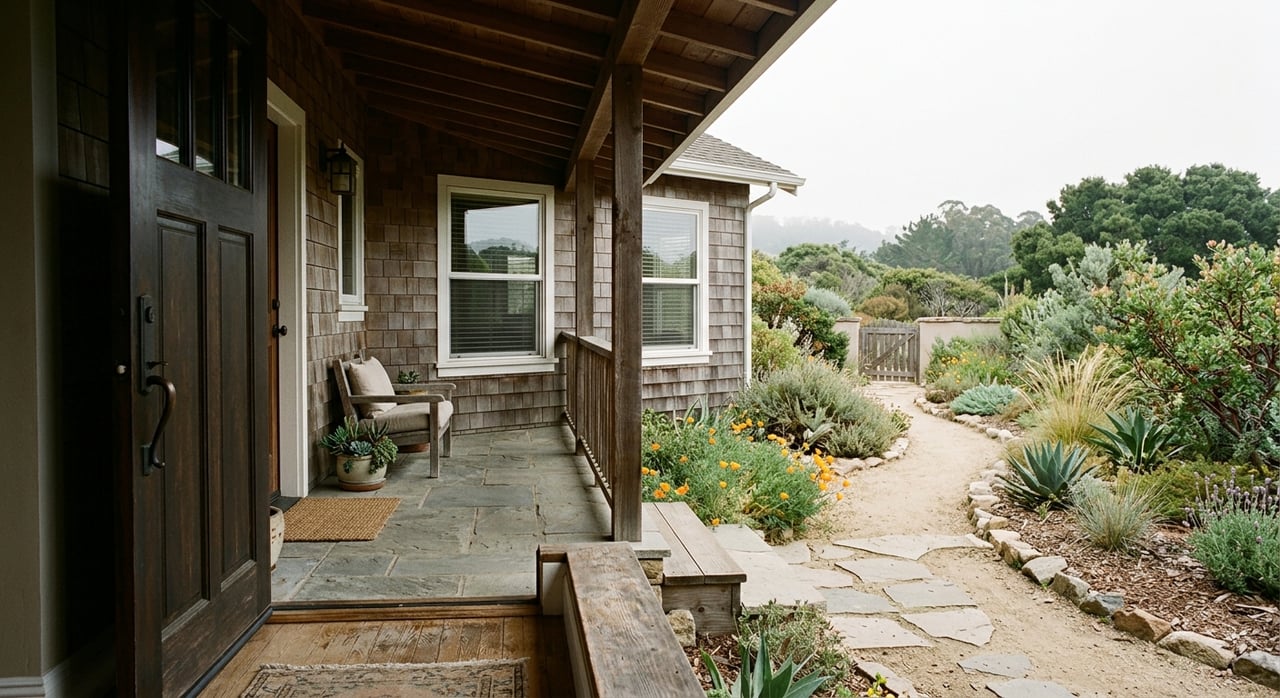
Morro Bay Or Los Osos: How To Choose Your Estuary Home
May 28, 2026
May 28, 2026
If you love the Central Coast, choosing between Morro Bay and Los Osos can feel harder than expected. Both sit near the estuary, both offer easy access to the outdoors, and both give you that coastal pace many buyers want. The difference comes down to how you want to live day to day, what type of home fits your plans, and which local details matter most to you. Let’s dive in.
If you are deciding where to focus your home search, it helps to start with the big picture. Morro Bay and Los Osos share a scenic setting near the bay and open space, but they offer a different daily rhythm.
Morro Bay tends to feel more active and visitor-facing. The city identifies its downtown and waterfront Embarcadero as the commercial and cultural core, with activity centered around the harbor, beaches, and bay access.
Los Osos feels quieter and more residential. County planning documents describe it as a small-town, infill-oriented community with a rural-like setting and fewer visitor-serving businesses.
Morro Bay may be the better fit if you want to be close to waterfront activity and a more energetic town center. The harbor area, downtown, and Embarcadero create a setting where boating, beach visits, and local commercial activity are part of everyday life.
Outdoor access is a major draw here too. Morro Bay State Park includes lagoon and bay habitat, Morro Rock, trails at Black Hill and Cerro Cabrillo, kayaking, bird watching, golf, and a museum.
If your ideal day includes walking to nearby shops, spending time near the water, and having a little more activity around you, Morro Bay often checks those boxes. It can feel like a place where the scenery and the town life are closely connected.
Los Osos may be the better fit if you want a more residential setting with strong access to open space. Rather than a busy waterfront core, it offers a more low-key feel shaped by neighborhoods, preserves, and trails.
Nature access stands out in Los Osos. Sweet Springs Nature Preserve offers bay and Morro Rock views with birding opportunities, while Montaña de Oro State Park features cliffs, beaches, canyons, hills, and an extensive trail network.
If you picture a quieter home base with easy access to outdoor recreation, Los Osos may feel more aligned with your goals. For many buyers, the appeal is less about being in the middle of activity and more about living beside protected natural areas.
Housing mix is another important difference. Morro Bay has a broader range of housing types, which can create more options depending on your budget, lifestyle, or maintenance preferences.
According to the city’s housing element, Morro Bay’s housing stock includes 72% single-family detached homes, 6% single-family attached homes, 7% two-to-four-unit properties, 15% multifamily housing, and 8% mobile homes. Current listings also show houses, condos, townhomes, and multifamily properties.
Los Osos is still mostly residential and strongly single-family in character, though it also includes attached housing, mobile homes, and multifamily properties. County planning documents note that about 62% of units are owner-occupied, and recent listings show houses along with some condos, a townhouse, and multifamily options.
In simple terms, Morro Bay may give you a little more variety if you want attached housing or a smaller-footprint property. Los Osos may appeal more if you are looking for a neighborhood-oriented setting with a stronger single-family feel.
Recent pricing snapshots put Los Osos slightly above Morro Bay, but it is important to treat that as a point-in-time comparison rather than a fixed rule. Monthly median prices can shift based on the mix of homes available and seasonal market patterns.
As of April 30, 2026, Zillow reported a median list price of $978,667 in Morro Bay and $1,104,167 in Los Osos. Redfin’s March 2026 median sale price was $725,000 in Morro Bay and $914,800 in Los Osos.
That gap can move as inventory changes. If you are comparing the two towns, it is smart to look beyond one headline number and focus on the type of home, location within town, lot size, and condition.
Both communities offer walkable pockets, though the most convenient areas differ. Walk Score rates central Morro Bay at 85 and central Los Osos at 74, which places both in the Very Walkable range.
In practical terms, Morro Bay’s easiest errands are often near downtown and the waterfront core. In Los Osos, the Baywood area tends to be one of the more walkable pockets.
Transit is available in both towns, but this is still a small-town system. Morro Bay offers year-round fixed-route service, Call-A-Ride, and a seasonal downtown and waterfront trolley, while regional Route 12 connects San Luis Obispo, Cuesta College, Morro Bay, and Los Osos.
For many buyers, commute time does not create a huge difference between the two. Under normal conditions, driving to San Luis Obispo from either town is roughly 18 minutes, so the choice is usually more about lifestyle than travel time.
If Los Osos is on your shortlist, there are a few practical details worth reviewing early. These issues do not automatically make a property less appealing, but they do make local due diligence especially important.
County planning documents say ADUs are excluded within the Los Osos Groundwater Basin boundary and or plan area. The county also notes that the wastewater project exists to address groundwater pollution and a water-resource shortage.
If you are considering future additions, an ADU, or an infill opportunity, you will want to verify what is allowed for the specific property. This is especially important for buyers interested in land, lot potential, or long-term expansion plans.
Morro Bay may be worth a closer look if future accessory-unit flexibility matters to you. The city has a pre-designed ADU program created to help expedite permitting and support housing goals.
That does not mean every property will fit every plan, but it does give buyers another reason to compare the two towns carefully. If you want a home that could support future flexibility, local rules and city programs should be part of your decision.
If you want stronger walkability, more waterfront activity, and a broader mix of housing near a visitor-oriented core, Morro Bay may be the better fit. It tends to suit buyers who enjoy having more day-to-day energy around them.
If you want a quieter residential feel with direct access to preserves, trails, and open space, Los Osos may be the better match. It often appeals to buyers who want a nature-forward setting and a more low-key daily pace.
Neither choice is one-size-fits-all. The right answer depends on how you want to spend your mornings, weekends, and everyday routines once you are home.
For buyers comparing these two estuary communities, the best next step is often to look beyond photos and pricing snapshots. Walking the neighborhoods, comparing housing types, and understanding local property rules can give you a much clearer answer. If you want local guidance on Morro Bay, Los Osos, or nearby Central Coast opportunities, Steve Auslender can help you sort through the details with practical, hands-on advice.
Stay up to date on the latest real estate trends.
We pride ourselves in providing personalized solutions that bring our clients closer to their dream properties and enhance their long-term wealth.